
What is winter like on the Costa Blanca and Costa Cálida? Can you live here all year round?
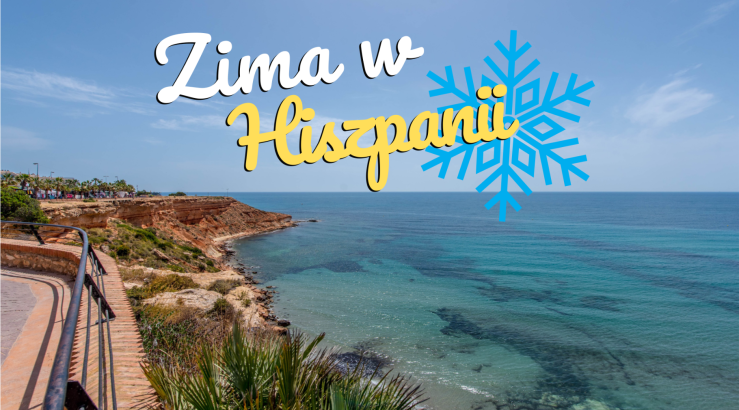
For many people, the biggest concern before moving to Spain is winter. The question appears: does it still feel like a holiday climate, or does it become cold like in the rest of Europe?
In practice, the period from November to March is exactly when many people decide to purchase a property — because only then can you truly see what everyday life by the Mediterranean looks like.
Winter temperatures
In the southern Costa Blanca (Torrevieja, Orihuela Costa, Guardamar) and on the Costa Cálida (Murcia, Mar Menor area), winters are mild, although this is not a tropical climate. It feels more like a very pleasant, sunny spring.
Typical daytime temperatures:
• December: 15–20°C
• January: 13–18°C
• February: 14–19°C
• March: 16–22°C
Evenings and mornings are cooler (around 7–12°C), so in winter people wear a light jacket or sweatshirt, especially near the sea. On sunny days the perceived temperature in the sun is noticeably higher, allowing you to sit on the terrace or walk without a jacket.
The key difference compared with northern Europe is the number of sunny days — most of the winter is bright and dry, and rainfall is rare and usually short-lived.

Daylight
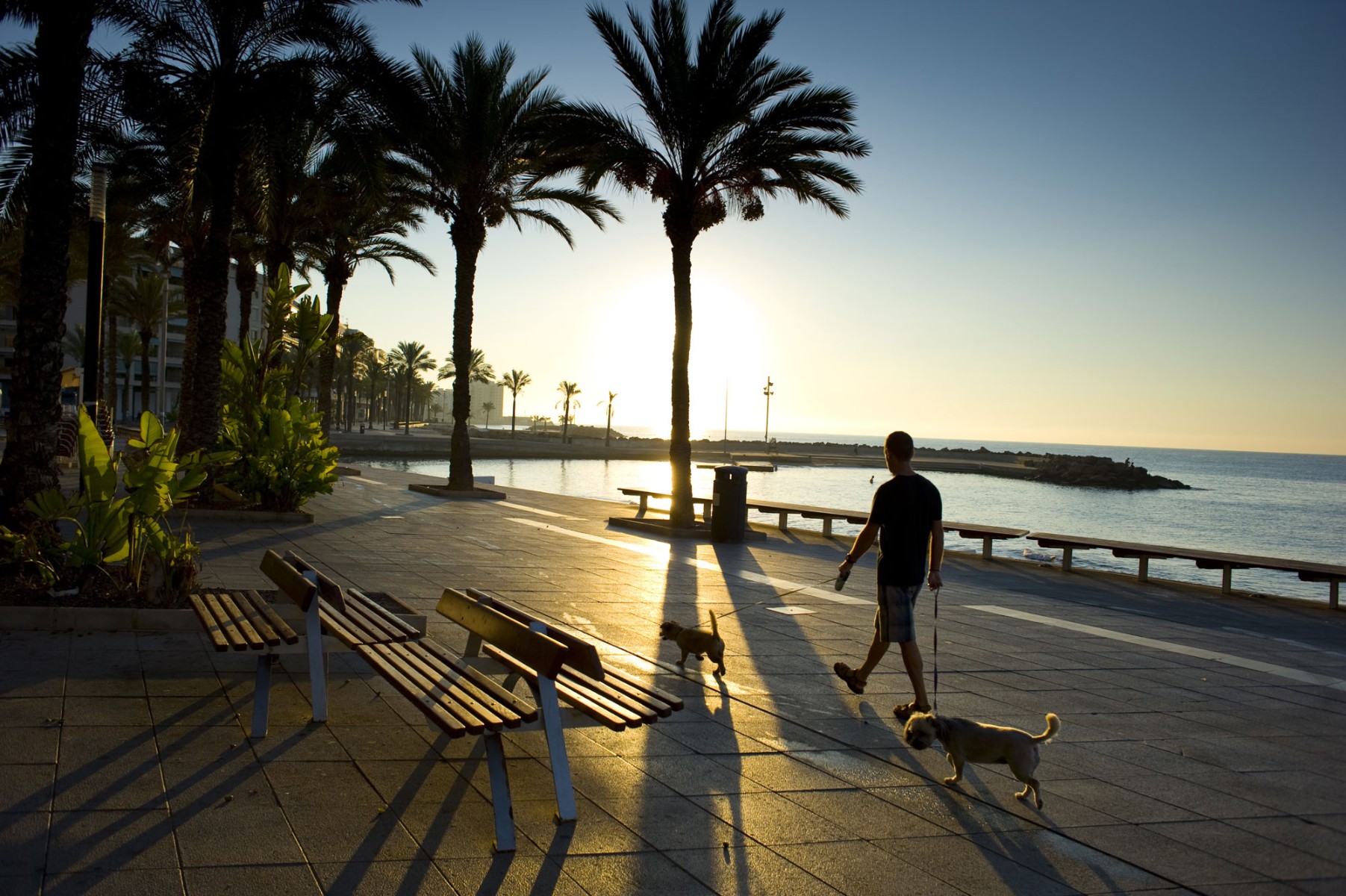
One of the things that surprises winter visitors the most is the amount of daylight. On the Costa Blanca and Costa Cálida, days are clearly longer and brighter than in northern Europe. The sun shines strongly from the morning, and winter sunsets usually occur around 17:45–18:15. Importantly, the sky stays bright even after sunset, so people can still comfortably walk or sit outside.
The lack of grey, short days and long hours of darkness is one of the biggest changes for many new residents. Most activities still take place outdoors: walks, cafés, sports and social gatherings.
Do people use the sea in winter?
The Mediterranean Sea in winter is about 14–16°C, while the Mar Menor lagoon is often warmer. It is not a typical swimming temperature for everyone, but many people still swim, and beach walks, cold-water bathing and water sports are very popular.
Most importantly, beaches are alive all year — they are neither closed nor empty. Seafront restaurants operate, promenades are full of residents, and life does not stop after the season.
Daily life
Winter is when you notice the biggest difference between tourism and living here. Residents:
• go for morning coffee in cafés
• walk along the promenade
• cycle
• play golf
• meet in restaurants and at local markets
During the holiday season the difference is even more noticeable — instead of frost and snow, many people spend Christmas outdoors. It is not unusual for residents to meet friends and family on the beach, and on sunny days organize traditional Christmas beach barbecues, for example in La Zenia. For many new homeowners this is the moment they truly feel the lifestyle change.
These are not resorts that close after summer. They are normally functioning towns with shops, medical centres and services operating year-round.
Outdoor activity
Winter is the best season for activity: seaside walks, cycling, golf, trekking or running. That is why professional cycling teams from across Europe train on the northern Costa Blanca (Calpe, Altea, Jávea) during winter — while the rest of the continent has snow and near-zero temperatures.
Costs and comfort of living
Homes in Spain do not require heating like in northern Europe. Usually it is enough:
• air conditioning with heating mode
• a heater
• sunlight warming the apartment during the day
Winter bills are usually lower than in many northern European countries because constant heating is not necessary.
Costa Blanca vs Costa Cálida in winter
Both regions have a similar climate, but:
• Costa Blanca has more cities and infrastructure
• Costa Cálida is quieter and has the warmer, shallow Mar Menor
In practice, many people spend winters here and treat summer as the time when family comes to visit.
Why many people buy a home after a winter stay?
Clients often come for 1–2 weeks in January or February “to see how it really is”.
And that is when they decide, because they discover:
• you can live without freezing winters
• days are bright and longer
• more time is spent outdoors
• wellbeing improves
For many, it stops being a holiday — it becomes a lifestyle change.
If you are wondering whether living in Spain would be comfortable for you also outside the season, we can show you properties available in winter and arrange viewings in fully functioning residential areas. This way you will see not just a holiday destination, but real everyday life on the Costa Blanca and Costa Cálida.
Contact Costa Ibérica
- C. Ramón Gallud, 78, bajo B, 03181 Torrevieja, Alicante
- +34 644708520
- +34 865648065
- office@costaiberica.com
Image gallery

Share